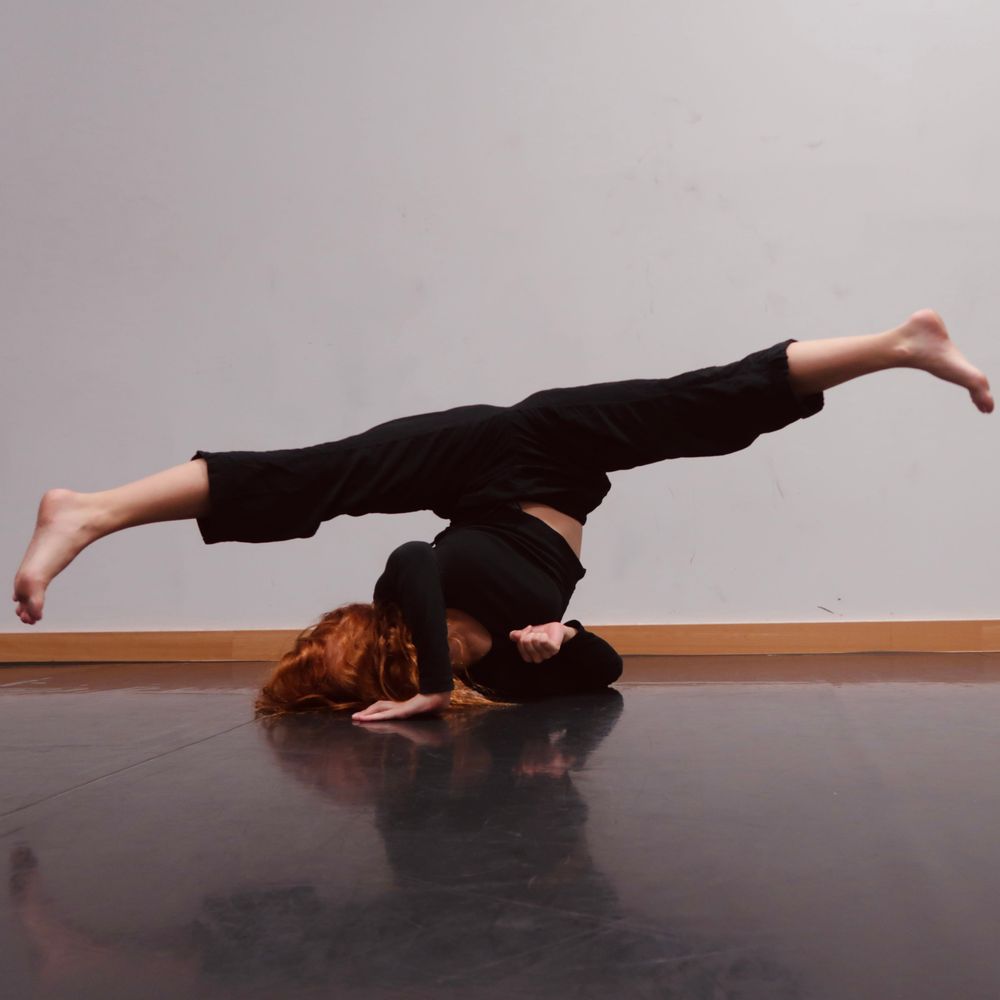
Regular Classes
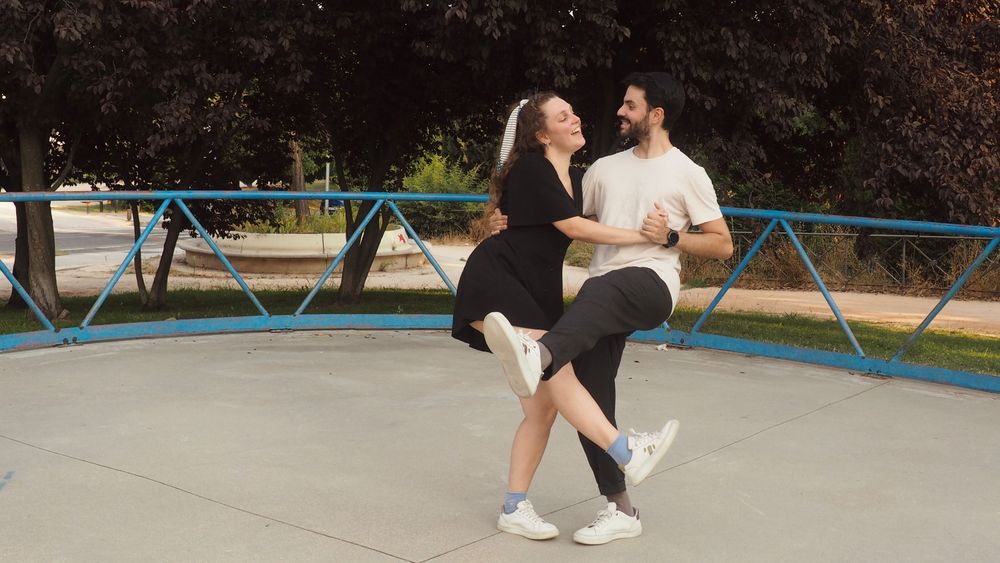
Lindy Hop (Swing partner dance)
Lindy Hop is a social partner dance characterised by the joy it radiates. Like the Swing music it is danced to, it is a dance rich in different rhythms that encourages individual expression in every person.
It has its origins in the African-American communities of Harlem from the late 1920s to the early 1940s. Today there is a vibrant community of dancers performing it all over the world, as well as festivals and live music events to enjoy it.
What does it offer you?
- Improves agility, coordination and balance.
- Strengthens the cardiovascular system.
- Improves mood and reduces stress.
- Encourages socialisation as a partner or group dance, allowing you to meet new people.
For all ages.
*During the first year of Lindy Hop, groups are bi-role.
You don't need a partner to register
Solo Jazz (Swing Solo)
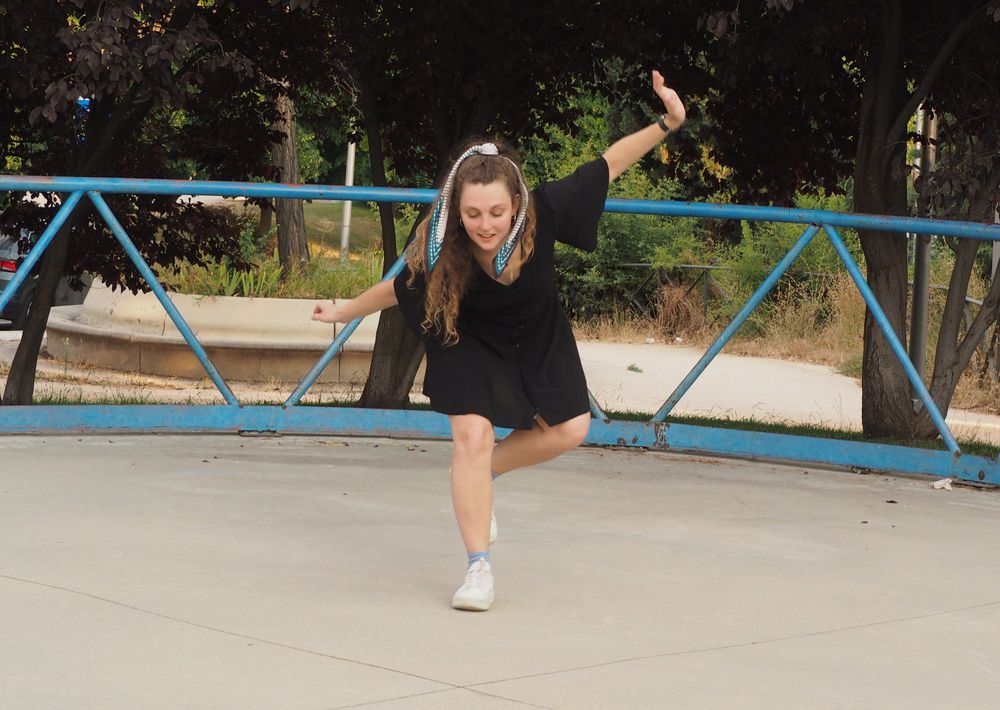
This dance combines the rhythm of swing music with fun movements. It is very varied, and although danced solo, it retains the essence of a social dance — it is communal and interactive.
It has its origins in the African-American communities of Harlem from the late 1920s to the early 1940s. Its influences include the Charleston of the 1920s and tap dance, among others.
What does it offer you?
- Improves cardiovascular fitness.
- Tones muscles and increases coordination and flexibility.
- Burns calories and improves posture and balance.
- Relieves stress and stimulates creativity. It can be practised in groups or classes, which encourages socialisation and a sense of community.
For all ages.
Stretching and Flexibility
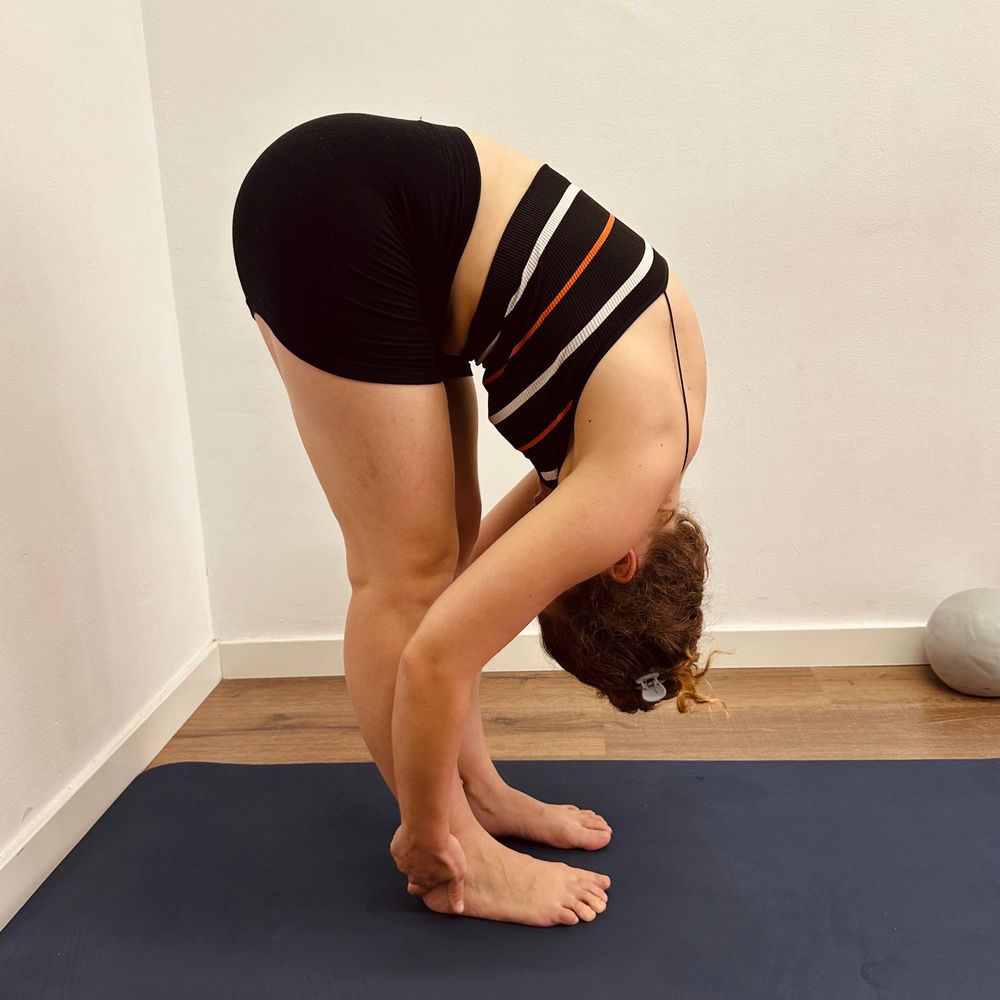
This course is for anyone looking to develop and improve their flexibility, mobility and body awareness to enhance dance performance, prevent injuries and achieve a greater range of movement.
The course combines static, dynamic, active and passive stretching techniques, along with strengthening and breathing exercises.
Lindygraphies
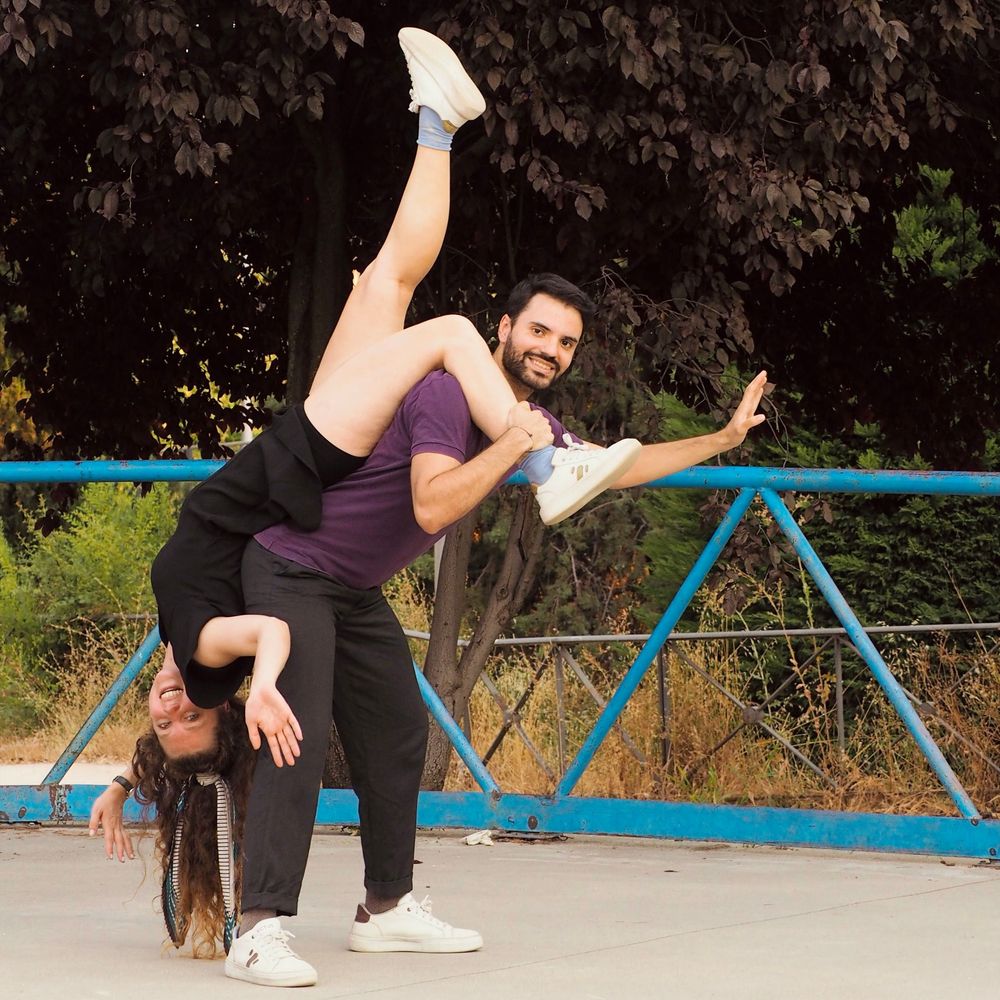
In this course, you will explore classic Lindy Hop choreographies as well as the creation of unique pieces adapted to your group, combining technique, musicality and creativity.
Objectives:
- Learn traditional Lindy Hop choreographies, understanding their structure and style.
- Work on musicality to synchronise movements with swing music.
- Develop choreographic skills: stage presence, fluidity and teamwork.
- Improve partner connection and group coordination.
- Prepare a final performance to showcase the work at an event or open class.
For experienced dancers who want to take their dancing to the next level.
Lindy Hop - Corrections and Foundations
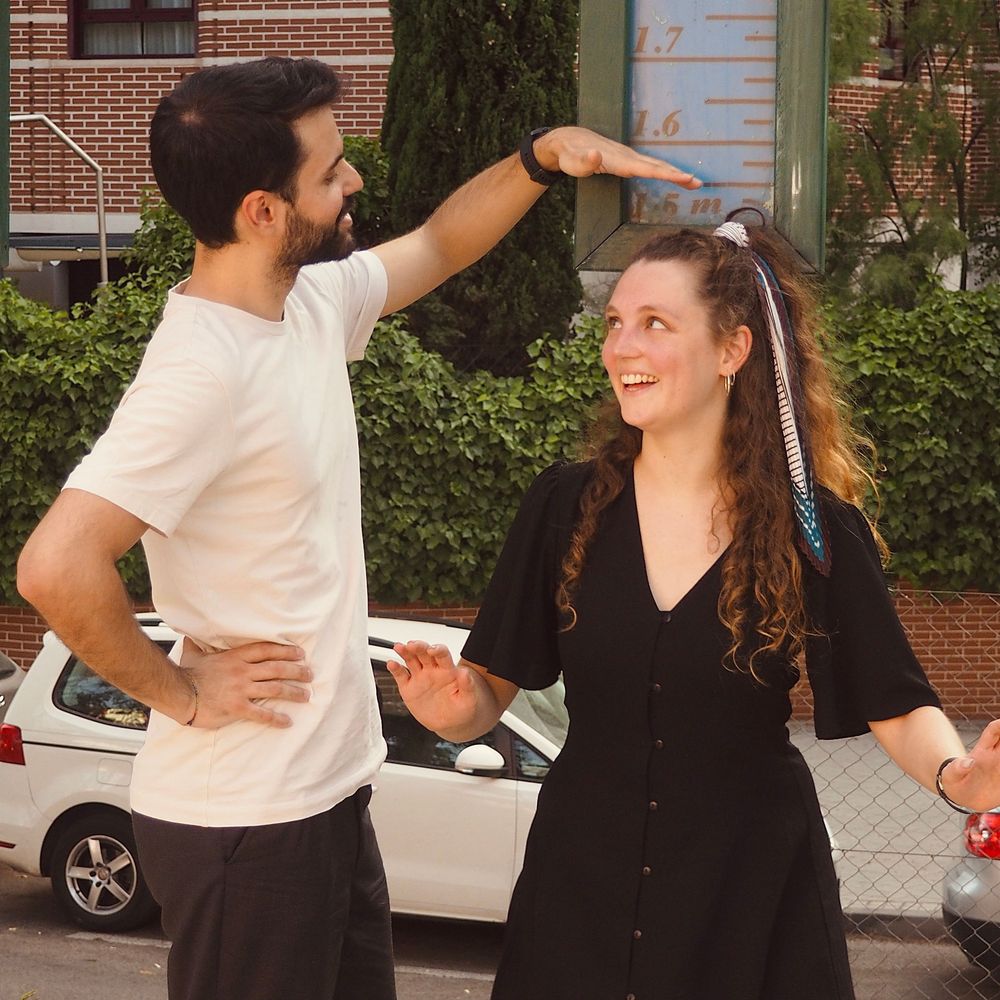
This course is designed for dancers who already have experience (minimum 1 year of dancing) and are looking to refine their technique, correct postural habits and deepen their understanding of Lindy Hop foundations.
Through structured exercises, real-time feedback and detailed analysis, you will work on key aspects such as frame, rhythm, partner connection and musicality, so that your dancing not only looks fluid, but is also efficient, healthy and full of style.
Body Awareness
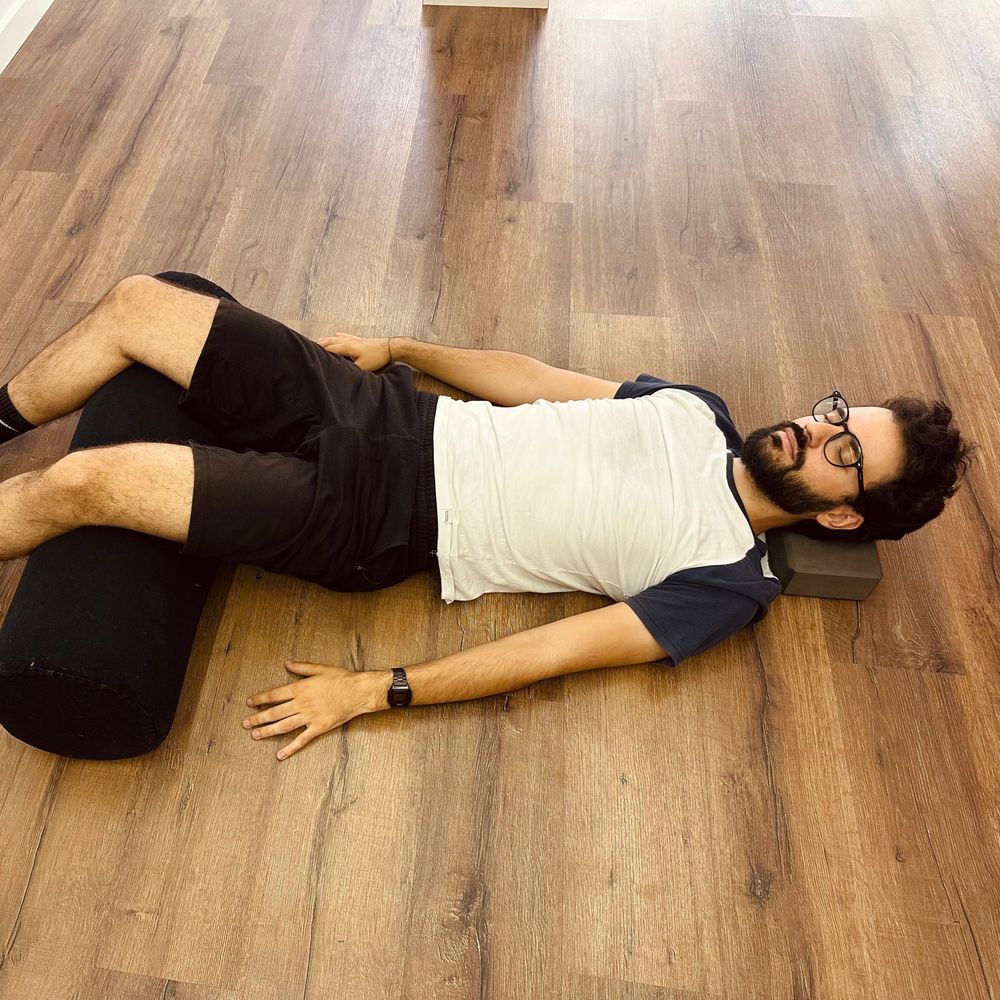
We work on the ability to perceive and understand the sensations, movements and positions of the body, integrating the proprioceptive and vestibular systems for a fuller mind-body connection.
What does it offer you?
- Greater connection with yourself.
- More conscious and fluid movement.
- Reduction of stress and anxiety.
- Improved posture and prevention of pain.
Contemporary
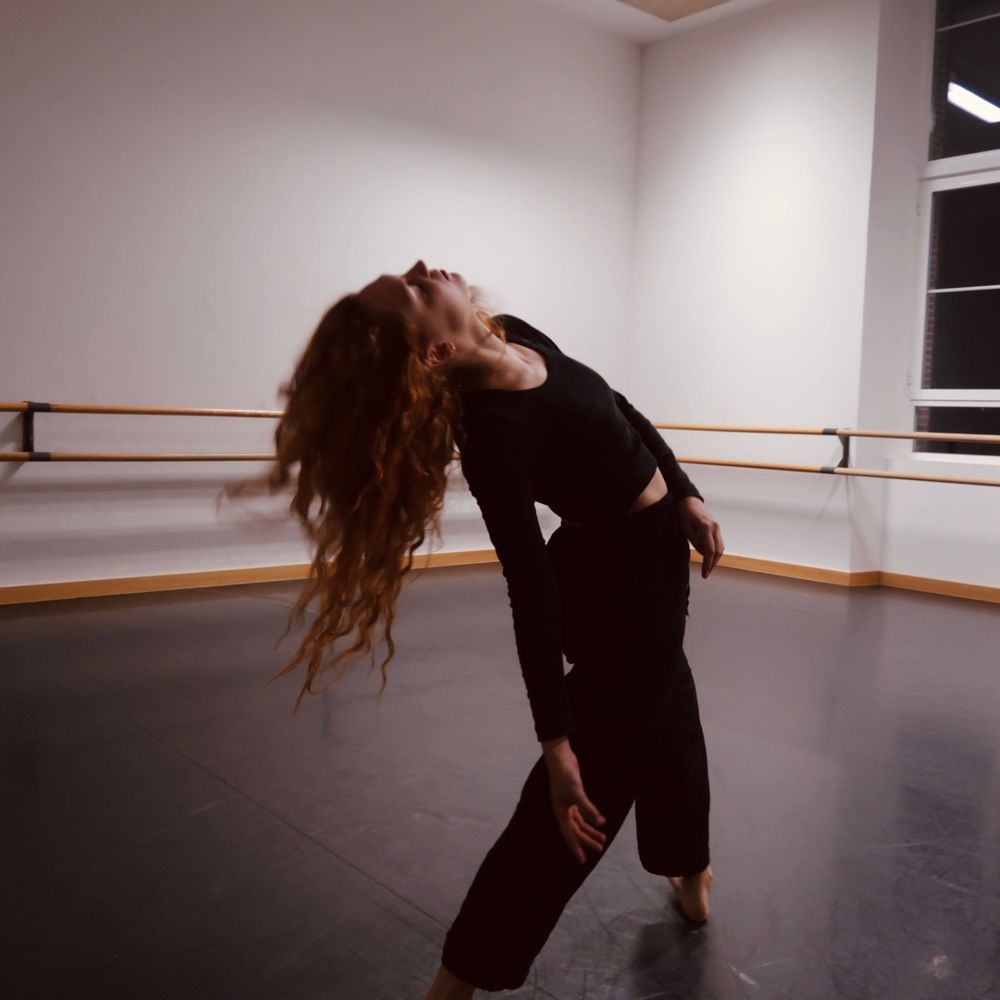
Contemporary dance explores different movement qualities through body awareness, flexibility, technique and improvisation, to flow with different types of music through organic movement. It seeks to generate a personal language to express oneself through movement.
Contemporary dance emerged in the 20th century as a reaction to classical forms and probably as a need to express oneself more freely with the body.
What does it offer you?
- Greater flexibility, muscular strength and elasticity.
- Switch off, reduce stress and release tension.
- Develop greater body awareness, coordination and fluidity in your movements.
- Creativity and personal expression.
- Self-confidence.
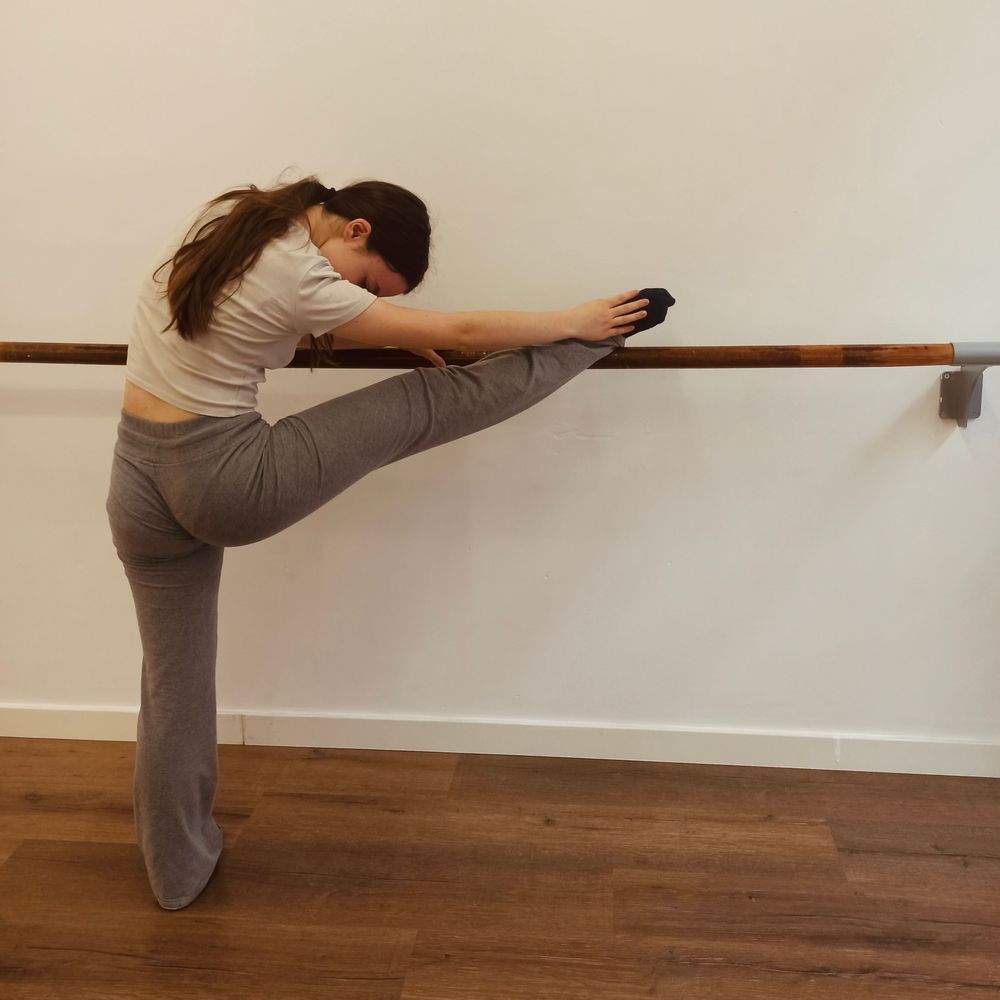
Classical Dance (Ballet)
Works on traditional ballet technique, focusing on discipline, flexibility, balance and coordination through barre, floor and centre exercises. Strengthens full body control and improves posture.
It emerged during the Renaissance (15th–16th centuries) and was professionalised in France in the 17th century under Louis XIV, with the creation of the Académie Royale de la Danse in 1661.
What does it offer you?
- Improved posture, coordination and physical condition.
- Greater flexibility, balance, memory and concentration.
- Development of patience, consistency and attention to detail.
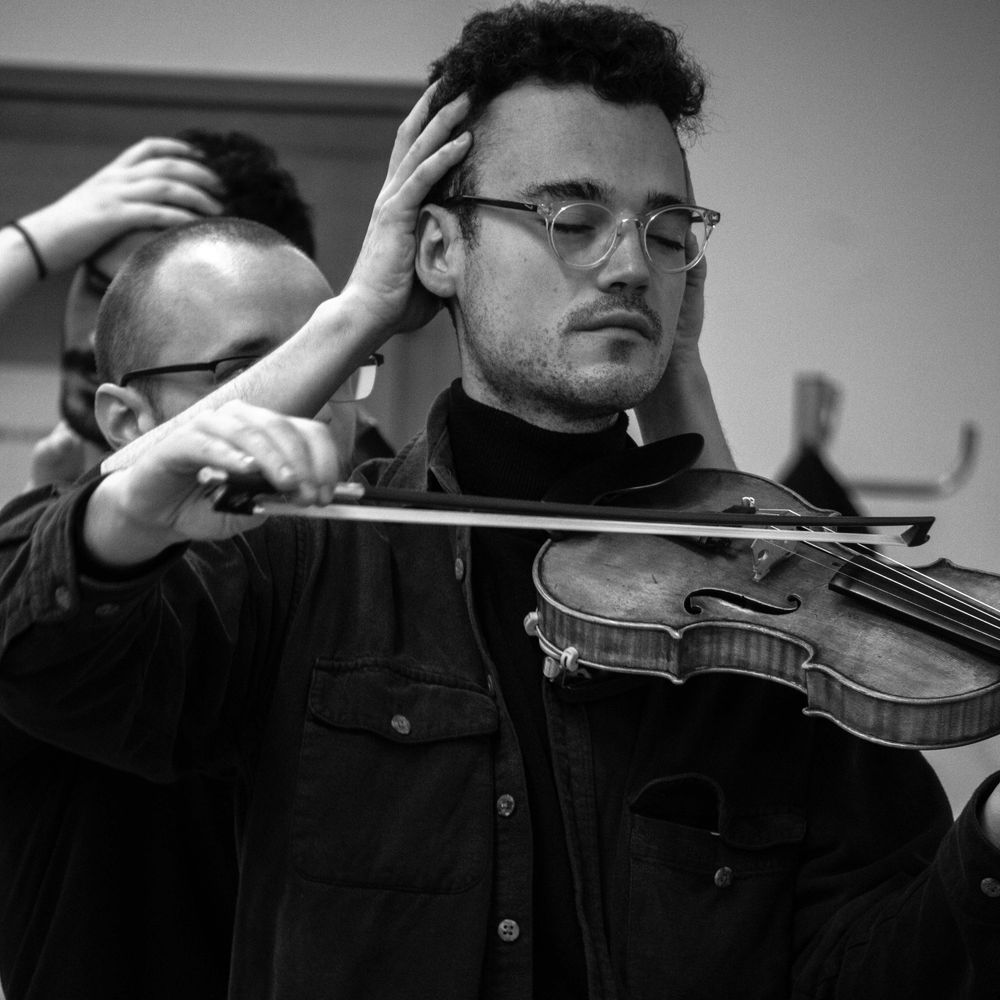
Movement and Body Awareness Workshops for Musicians
These are sessions where the body is worked through conscious movement, based on a methodology developed by Marina Ares. Different contributions from dance practice and body work are applied to the instrumentalist's practice through a somatic approach. This methodology is based on working with FOUNDATIONS:
- Proprioception, alignment, balance and gaze
- Optimal muscle tone and weight
- Contact, connectivity and coordination
- Relationship, connection and space
- Movement possibilities
Objective
To understand the body in relation to the instrument and to gain tools that help improve musical practice.
Individual or group sessions / Elementary or professional level.
Creative Dance for ages 4 to 7
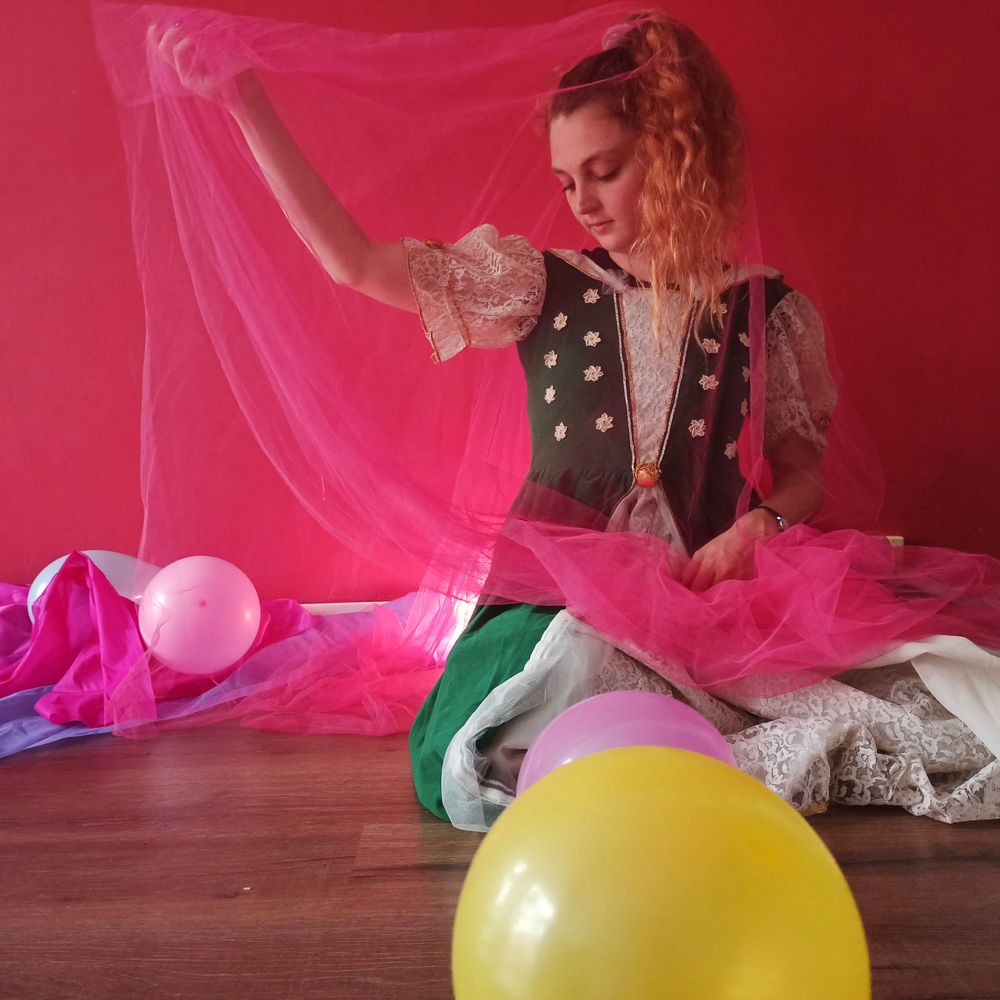
Explore the foundations of dance — balance, coordination, proprioception, rhythm, spatial awareness and personal expression — through play and dynamics that encourage individual and group creativity.
Age: between 4 and 7 years
Children's Dance for ages 8 to 12
In an environment full of joy, confidence and respect, this course is designed to discover the world of dance through play, physical expression and teamwork.
In this course, guided by a teacher with specialised training in dance pedagogy, students will develop technical, artistic and emotional skills while having fun and growing together.
Course objectives:
- Learn and understand the foundations of dance.
- Encourage creativity and expressiveness through movement.
- Work on coordination, flexibility, strength and rhythm in a progressive and safe way.
- Develop values such as respect, discipline and teamwork.
- Introduce basic concepts from different dance styles (classical, contemporary, jazz and urban) to broaden artistic horizons.
- Prepare short choreographies.
Age: between 8 and 12 years